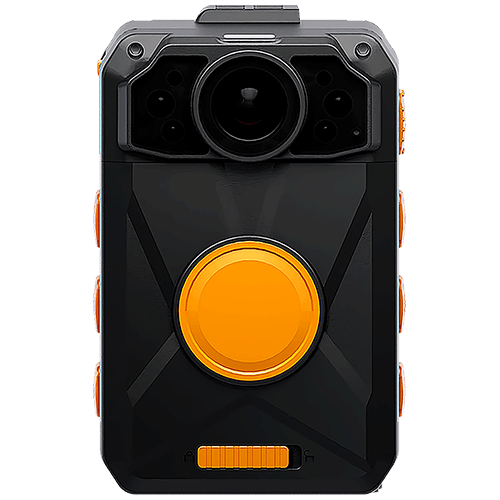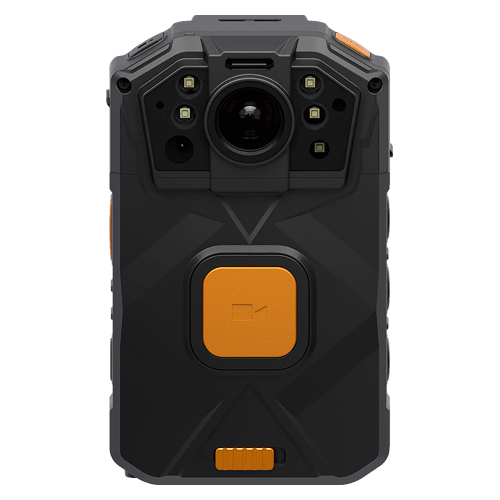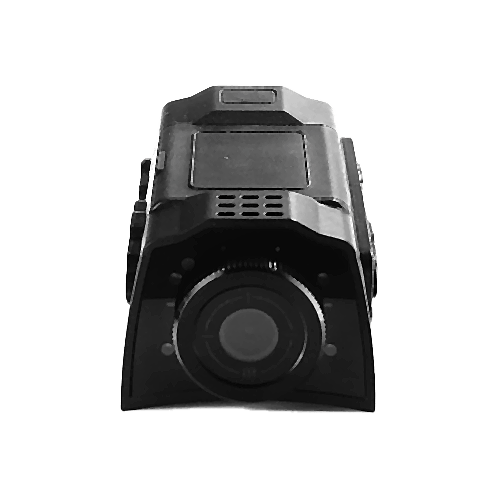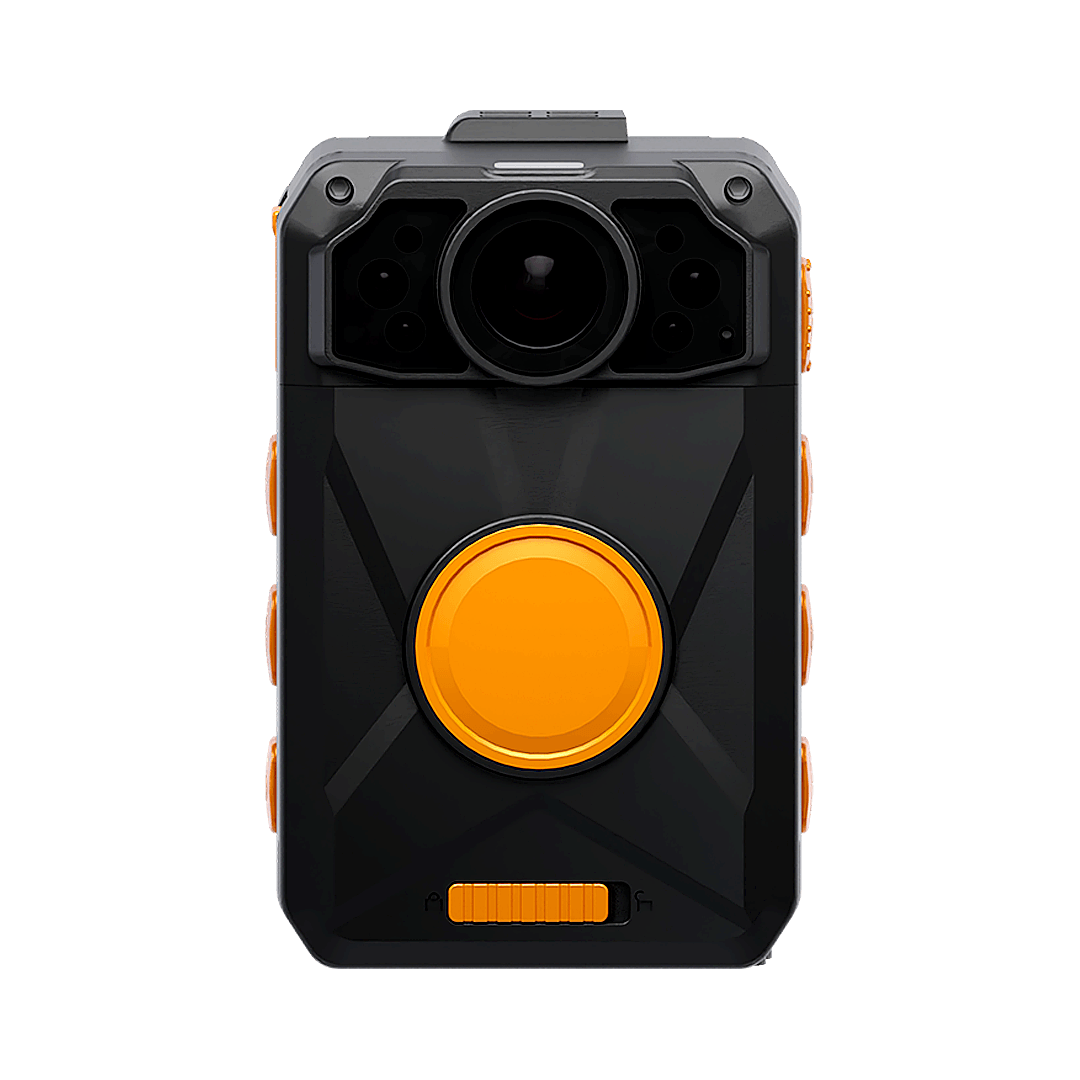
Body-worn cameras are now widely used across the UK by security officers, retail staff, healthcare professionals, housing officers, transport workers and many other frontline teams. Their primary purpose is to improve staff safety, deter aggressive behaviour and provide clear, unbiased evidence when incidents occur.
As body-worn cameras become more common, one question is asked time and time again:
Can members of the public refuse to be recorded on a body-worn camera?
The answer is not always straightforward. While someone can object to being recorded, they cannot automatically prevent recording from taking place. Whether recording is lawful depends on the circumstances, the reason for recording and whether it is necessary and proportionate.
Why Organisations Use Body-Worn Cameras
Businesses and public organisations use body-worn cameras for a variety of legitimate reasons. Their main purpose is not to monitor the public indiscriminately, but to record incidents where evidence may be required or where staff safety could be at risk.
In sectors such as retail, private security, healthcare and public services, employees regularly deal with confrontational situations. Abuse, threats and even physical violence have become increasingly common, making body-worn cameras an effective way to protect both staff and the people they interact with.
The presence of a visible body camera can often prevent an incident from escalating in the first place. Many people change their behaviour once they realise their actions are being recorded.
Can Someone Say They Don't Want to Be Recorded?
Yes, a member of the public can ask not to be recorded or state that they do not consent. However, this does not necessarily mean the recording must stop.
If an organisation has a legitimate reason to record, for example, to protect staff, prevent crime, gather evidence or document an incident, it may continue recording even if the individual objects. Under UK data protection law, organisations do not always need consent to record using body-worn cameras.
Instead, the recording must have a lawful basis, be necessary for its intended purpose and be proportionate to the situation. This is why body-worn cameras are typically activated only when an incident occurs or when there is a genuine risk that one may develop, rather than recording continuously throughout the day.
Consent Is Not Usually Required
One of the biggest misconceptions surrounding body-worn cameras is that everyone being recorded must give permission first.
In reality, organisations often rely on legitimate interests or the performance of a public task rather than consent when using body-worn cameras. This allows staff to record incidents where doing so is necessary to protect employees, safeguard the public or preserve evidence.
If consent were always required, body-worn cameras would lose much of their effectiveness. Someone behaving aggressively could simply refuse permission, making it impossible to document the incident accurately.
That said, organisations should still be transparent about their use of body-worn cameras. Staff should wear cameras visibly whenever possible, signage should explain that body-worn cameras may be in use, and employees should inform people when recording has started if it is safe and practical to do so.
What Happens if Someone Tries to Stop Recording?
Occasionally, a person may demand that a body-worn camera is switched off or attempt to prevent recording.
If there is an ongoing incident, staff generally should not stop recording simply because someone objects. The camera is often being used to protect everyone involved by creating an impartial record of events.
In fact, requests to stop recording can sometimes reinforce the importance of continuing. If a confrontation later results in a complaint or legal proceedings, the footage may become crucial evidence that shows exactly what happened.
Employees should always follow their organisation's body-worn camera policy and avoid engaging in unnecessary arguments about whether recording is taking place. Remaining calm, professional and explaining that the recording is for safety and evidential purposes is often the best approach.
Are There Situations Where Recording Should Stop?
Although body-worn cameras can often continue recording despite objections, there are circumstances where recording may no longer be appropriate.
Once an incident has concluded and there is no longer a legitimate reason to continue, recording should normally end. Organisations should also take particular care in locations where people have a higher expectation of privacy, such as toilets, changing rooms or staff welfare areas.
Similarly, if recording serves no genuine business purpose and is unlikely to protect staff or capture relevant evidence, activating the camera may not be justified.
Having a clear body-worn camera policy helps employees understand when recording is appropriate and ensures cameras are used consistently across the organisation.
What Does UK GDPR Say About Body-Worn Cameras?
The UK General Data Protection Regulation (UK GDPR) and the Data Protection Act 2018 do not prohibit the use of body-worn cameras. Instead, they require organisations to use them responsibly.
This means businesses should have a clear reason for recording, minimise unnecessary footage, store recordings securely and keep them only for as long as required. Individuals also have rights over their personal data, including the ability to request access to footage in certain circumstances.
Organisations that introduce body-worn cameras should carry out appropriate privacy assessments and ensure staff receive training on both the technology and their legal responsibilities.
Why Transparency Builds Trust
One of the best ways to encourage public confidence is to be open about how body-worn cameras are used.
When employees explain that recording is taking place to protect everyone involved, most people understand the reason behind it. Clear policies, visible cameras and professional conduct all help demonstrate that body-worn cameras are being used responsibly rather than as a tool for unnecessary surveillance.
Transparency also supports organisations in meeting their legal obligations while reinforcing the credibility of any footage captured.
The Benefits of Recording for Everyone
Although body-worn cameras are often viewed as protecting employees, they can also benefit members of the public. Video footage provides an objective record that can confirm what actually happened during an interaction.
This can help resolve complaints more quickly, prevent misunderstandings and protect individuals from false allegations. In many cases, recordings support fairness for everyone involved rather than favouring one side over another.
Final Thoughts
So, can members of the public refuse to be recorded on a body-worn camera? They can certainly object, but they cannot automatically require staff to stop recording.
Where an organisation has a legitimate reason to record, such as protecting staff, preventing crime or gathering evidence, it may continue recording provided the use of the camera is lawful, necessary and proportionate.
For businesses, the key is having a clear body-worn camera policy, training employees properly and using cameras responsibly. When implemented correctly, body-worn cameras improve workplace safety, increase accountability and provide valuable evidence that protects both staff and the public.
At Bodicam, we supply professional body-worn camera solutions trusted by organisations across the UK. Whether you're equipping security teams, retail staff, healthcare professionals or lone workers, our cameras provide reliable, high-quality evidence while supporting safe, transparent and professional interactions every day.