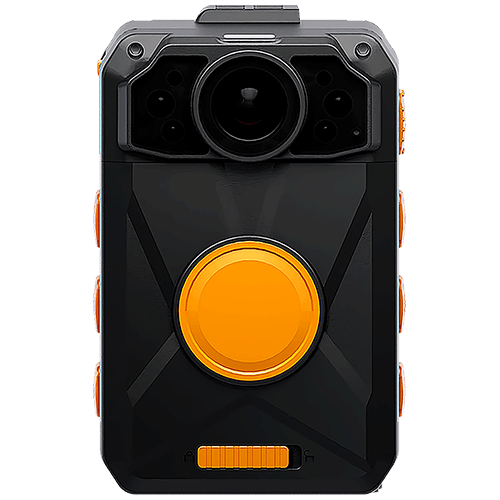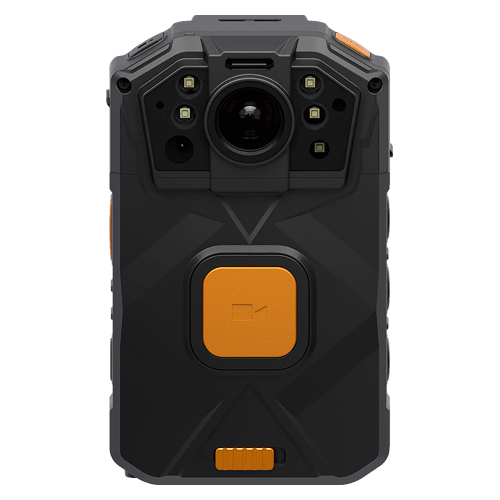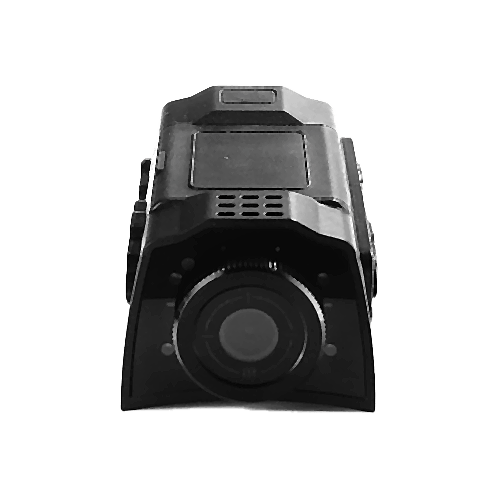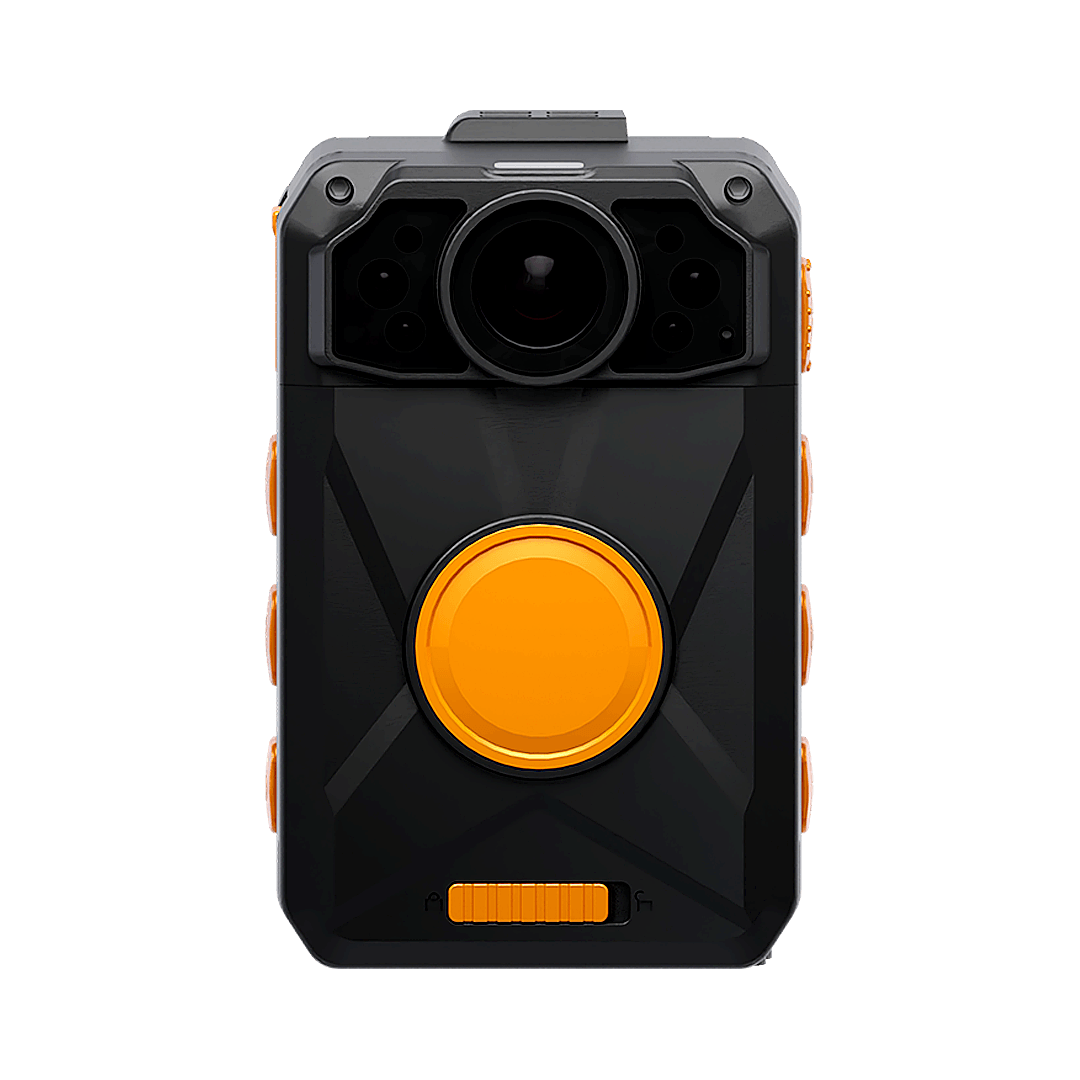
Body-worn cameras have become an increasingly common sight across the UK, helping organisations improve staff safety, deter aggressive behaviour, and capture reliable evidence when incidents occur. Whether used by security officers, retail teams, healthcare professionals, housing officers, or lone workers, these devices provide an impartial record of events that can protect both employees and members of the public.
However, simply issuing body-worn cameras to staff isn't enough. One of the most important aspects of any body camera programme is ensuring employees understand exactly when they should activate their body-worn camera. Recording too late may mean vital evidence is missed, while recording unnecessarily can raise privacy concerns. Finding the right balance is essential.
Why the Timing of Activation Matters
A body-worn camera is most valuable when it captures the full context of an interaction. If recording only begins after an incident has escalated, important moments that explain what led to the situation may never be seen. Early activation provides a complete and accurate record, helping employers investigate complaints, support insurance claims, and provide evidence should legal action become necessary.
Beyond evidence gathering, visible body-worn cameras can also influence behaviour. People are often less likely to become abusive or confrontational when they know their actions are being recorded. This can help de-escalate situations before they become more serious, creating a safer environment for everyone involved.
Activate the Camera Before a Situation Escalates
The best time to begin recording is usually before a conversation becomes confrontational rather than waiting until tensions have already risen. If a member of staff believes an interaction has the potential to become difficult, activating the camera early ensures that the entire exchange is captured.
For example, a retail employee refusing the sale of age-restricted products, a security officer asking someone to leave private premises, or a housing officer attending a difficult property visit may all benefit from recording the interaction from the outset. Capturing these moments provides valuable context and demonstrates that staff acted professionally throughout the encounter.
Recording During Abuse or Aggression
If an individual becomes verbally abusive, threatening or intimidating, staff should activate their body-worn camera as soon as it is safe to do so. Recording these incidents creates an objective account of what was said and how the situation developed.
In many cases, informing someone that recording has begun is enough to calm the situation. A simple statement explaining that the interaction is being recorded for everyone's safety can encourage individuals to moderate their behaviour, reducing the likelihood of further conflict.
Physical Incidents Should Always Be Recorded
Whenever a situation involves physical aggression or the threat of violence, body-worn cameras can become an invaluable source of evidence. Footage may later assist police investigations, support criminal prosecutions, or help employers understand exactly what happened.
This includes incidents involving assaults, attempted assaults, criminal damage, physical restraint or violent behaviour towards staff or members of the public. While personal safety should always remain the priority, recording these situations whenever practical can provide evidence that simply cannot be recreated afterwards.
Body-Worn Cameras for Lone Workers
Employees who work alone often face greater personal risk because they don't have colleagues nearby to provide immediate support. Home visits, property inspections, community appointments and field service work can all present unpredictable situations.
For lone workers, activating a body-worn camera before approaching a property or beginning an interaction provides reassurance and creates an accurate record from the very beginning. Many organisations now include body-worn cameras as part of their wider lone worker safety strategy because they not only capture evidence but can also deter aggressive behaviour before it escalates.
The Importance of a Clear Body Camera Policy
Every organisation using body-worn cameras should have a clear policy explaining when recording should begin, when it should end and how footage will be managed. Consistency is essential, as employees should never be left guessing whether they should activate their camera in a particular situation.
A well-written policy also helps organisations meet their responsibilities under UK data protection legislation by ensuring recordings are made only when there is a legitimate business reason. Staff should receive training so they understand not only how to operate the camera, but also the importance of respecting privacy and handling recorded footage appropriately.
Should Staff Tell People They Are Recording?
In most situations, it is good practice to inform individuals that a body-worn camera has been activated, provided doing so does not place staff at greater risk. Being open about recording promotes transparency and often helps de-escalate confrontational situations before they become more serious.
Many public sector organisations and security teams encourage staff to give a simple verbal warning that recording has started whenever circumstances allow. This reinforces the purpose of the camera, which is to improve safety and provide an impartial record rather than to catch people out.
When Should Recording Stop?
Just as important as knowing when to begin recording is understanding when it should end. Once an incident has concluded and there is no longer a legitimate reason to continue recording, the camera should be switched off. Continuous recording without justification is rarely appropriate and may conflict with privacy expectations or data protection requirements.
Staff should also avoid recording in private areas such as changing rooms, toilets or staff rest areas unless there are exceptional circumstances that clearly justify doing so.
Choosing the Right Body-Worn Camera
An effective body-worn camera should be simple to operate, allowing staff to begin recording quickly without distracting them from the situation in front of them. Features such as one-touch recording, high-definition video, secure encrypted storage, long battery life and pre-record functionality all contribute to capturing high-quality evidence when it matters most.
Investing in reliable equipment also encourages staff confidence and helps organisations build a consistent and professional approach to body-worn camera use.
Final Thoughts
Knowing when to activate a body-worn camera is fundamental to getting the greatest benefit from the technology. As a general rule, if there is a reasonable possibility that an interaction could become confrontational, involve abuse, or require evidence later, recording should begin as early as practical.
When supported by clear policies, staff training and dependable equipment, body-worn cameras do far more than capture video. They help protect employees, reduce conflict, strengthen accountability and provide organisations with reliable evidence whenever incidents occur.
At Bodicam, we provide professional body-worn camera solutions designed for businesses across the UK. Whether you're protecting retail staff, security teams, healthcare professionals or lone workers, our range of body-worn cameras delivers the reliability, image quality and ease of use needed to improve workplace safety and confidence every day.